How to Reduce Restaurant Staff Turnover in India
By Aakash Sharma ·
- staff training
- hiring
- retention
- operations
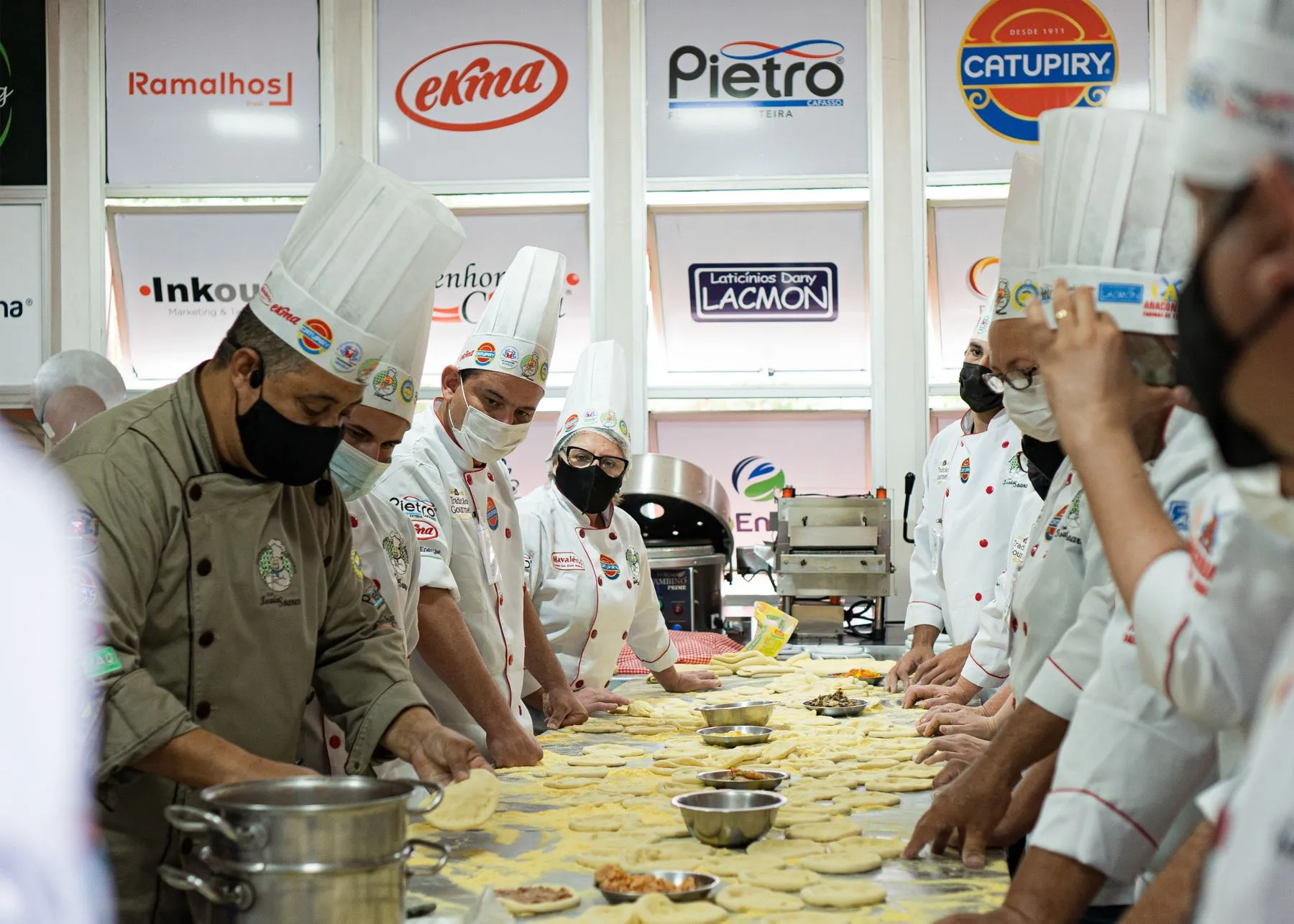
Every owner knows the moment: the tandoor cook who has been there three years gives a week’s notice, and the naan is different by Friday. Guests notice before you do.
Staff turnover is the most expensive cost in a restaurant that never appears on the P&L as a line of its own.
How big the problem is
India’s food services sector employed about 85.5 lakh people directly in 2024, according to the National Restaurant Association of India’s India Food Services Report 2024. A TeamLease Services report put attrition in the restaurant sector at 60% in 2023 — a three-year high.
At 60%, a 25-person team replaces 15 people a year. Every one of them has to be found, trained and brought up to speed while the guests keep coming.
What one departure costs
Cornell University’s School of Hotel Administration studied this in hotels. Timothy Hinkin and J. Bruce Tracey found that turnover cost employers almost $6,000 for every frontline worker who left, and almost $10,000 for every manager. The largest part was not recruitment; it was lost productivity, which reached up to 70% of the total in some cases.
Translate that to an Indian kitchen. When a ₹22,000-a-month line cook leaves:
| Cost | Estimate |
|---|---|
| Two to three weeks short-staffed: overtime, slower tickets | ₹15,000 |
| Recruitment: agency fee, referral bonus or ads | ₹8,000 |
| Four weeks of training at half productivity | ₹11,000 |
| Senior cook’s time spent training | ₹6,000 |
| Wastage and remakes while learning | ₹5,000 |
| Total | ≈ ₹45,000 |
About two months’ salary, per person. Fifteen departures a year is ₹6–7 lakh — before counting the guests who left after a bad meal.

Why people leave
In our audits, the reasons cluster in the same places:
- Pay that arrives late or varies. Late salary is the fastest way to lose a team.
- No weekly off, or one that moves every week.
- No path up. A commis who sees no route to chef de partie leaves for ₹2,000 more.
- A bad first month. Most departures happen early, when a new joiner was thrown onto the line with no one to learn from.
- The manager. People join restaurants and leave managers.
Eight fixes that work
1. Pay on the same date, every month. Put PF and ESIC in place properly. It costs little and signals you are a serious employer.
2. Publish a fixed weekly off. Rotate it fairly, put it on the wall a week ahead, and do not cancel it except in an emergency.
3. Hire with a paid trial shift. Half a day on the line shows more than any interview — for both sides.
4. A 30-day onboarding plan. A named buddy, a written list of what the new joiner must learn by day 7, day 14 and day 30, and a check-in at the end of each. Our SOPs are the training material.
5. A visible ladder. Commis III → II → I → demi chef de partie → chef de partie, with the skills needed for each step written down, and a pay rise attached to each. People stay when they can see the next step.
6. A skills matrix on the wall. Who can run which station. It shows staff where they can grow and shows you where one resignation would leave you exposed.
7. Proper staff meals and, where needed, accommodation. For migrant staff, decent housing and food often matter more than a small pay difference.
8. Exit interviews, every time. The Cornell study found that hotels which spent more of their turnover effort on exit interviews had lower overall turnover costs. Ask why people leave, write it down, and look for the pattern every quarter.
Measure it
Annual turnover % = Leavers in 12 months ÷ Average headcount × 100Track it separately for kitchen and service, and track 90-day turnover — the share of new joiners who leave within three months. That second number tells you whether your hiring and onboarding work.
Questions owners ask
What is a normal staff turnover rate for restaurants in India? Reported figures are high — around 60% for the sector in 2023. Well-run independent restaurants we work with keep kitchen turnover well below that by fixing pay timing, weekly offs and onboarding.
Is higher pay the answer? Pay has to be fair for the market, but above that, predictability, respect and a path up usually retain people better than an extra ₹1,000.
How long should training take for a new cook? Plan for four weeks to full productivity on a single station, with a written checklist for each week.
Sources and further reading
- Cornell Chronicle, Greater involvement in selection process and more exit interviews could reduce worker turnover costs — Hinkin and Tracey’s study
- The People’s Board, Why high attrition rates are hurting the F&B sector — citing TeamLease Services
- NRAI, India Food Services Report 2024, summarised by Restaurant India
We build training programmes and career ladders that keep good people: staff training. The written standards they train on come from SOP development.