Menu Engineering: Stars, Plowhorses, Puzzles and Dogs
By Hamza Ukani ·
- menu engineering
- food cost
- pricing
- profitability
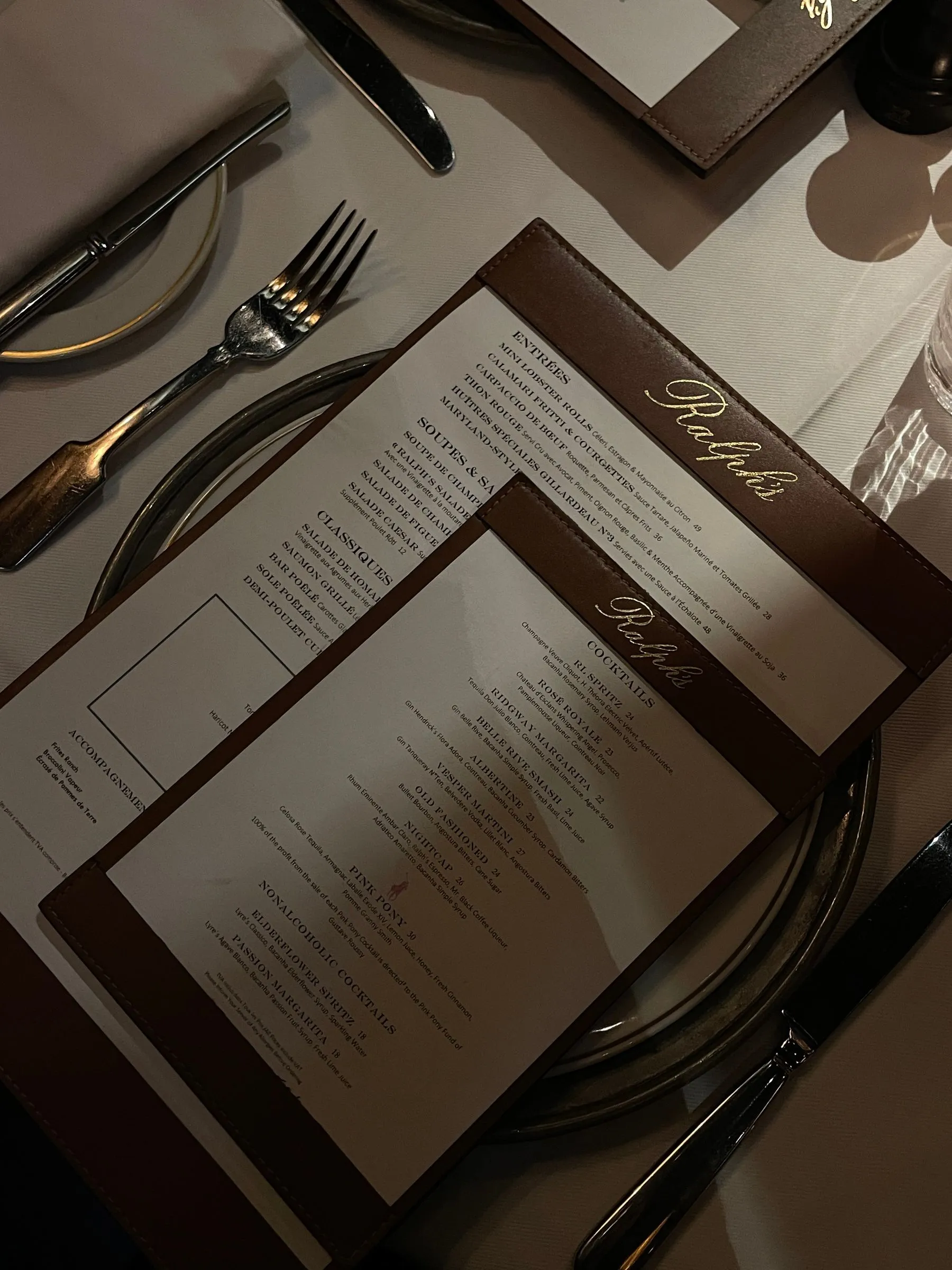
Most menus are built by the chef and priced by gut. Then they sit unchanged for two years while ingredient costs move every quarter, and nobody can say which dishes are carrying the restaurant and which are quietly costing it.
Menu engineering answers that with two numbers per dish. It was developed by Michael Kasavana and Donald Smith at Michigan State University in the early 1980s, and it is still the most useful hour a restaurant owner can spend with a spreadsheet.
The two numbers
Popularity — how many of each dish you sold over the period.
Contribution margin — what each dish earns per plate: menu price minus plate cost. Not food cost percentage. A ₹480 mutton dish at 40% food cost earns more per plate than a ₹260 dal at 20%.
You need four to eight weeks of sales from your POS and an accurate plate cost for every dish. If you do not have plate costs, start with how to calculate food cost.
A worked example
A North Indian casual dining restaurant, eight mains, four weeks:
| Dish | Sold | Price | Plate cost | Margin |
|---|---|---|---|---|
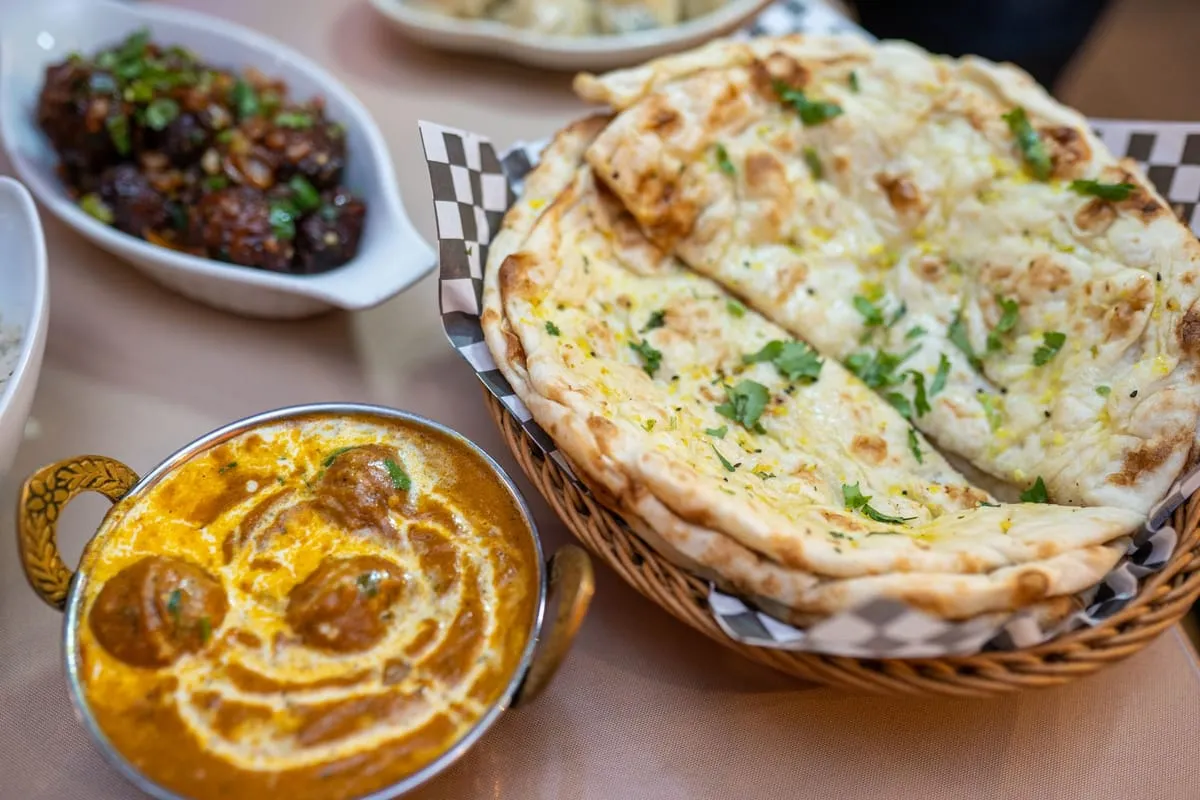
| Paneer butter masala | 620 | ₹320 | ₹96 | ₹224 |
| Dal makhani | 540 | ₹260 | ₹52 | ₹208 |
| Chicken biryani | 480 | ₹340 | ₹100 | ₹240 |
| Butter chicken | 450 | ₹380 | ₹125 | ₹255 |
| Mutton rogan josh | 160 | ₹480 | ₹190 | ₹290 |
| Prawn masala | 90 | ₹520 | ₹210 | ₹310 |
| Veg kolhapuri | 110 | ₹280 | ₹70 | ₹210 |
| Fish tikka | 70 | ₹420 | ₹200 | ₹220 |
Average margin = total margin ÷ total sold = ₹5,93,950 ÷ 2,520 = ₹236.
Popularity line. Kasavana and Smith’s rule: a dish is popular if it sells at least 70% of its “fair share”. With eight dishes, fair share is 1/8 = 12.5% of sales, so the line is 8.75% — about 221 plates here.
Now sort:
| Group | Rule | Dishes |
|---|---|---|
| Stars | Popular, high margin | Chicken biryani, butter chicken |
| Plowhorses | Popular, low margin | Paneer butter masala, dal makhani |
| Puzzles | Unpopular, high margin | Mutton rogan josh, prawn masala |
| Dogs | Unpopular, low margin | Veg kolhapuri, fish tikka |
What to do with each group
Stars — protect them. Keep the recipe and portion exactly consistent, give them the best spot on the menu, and test a small price rise. Guests come back for these dishes; a ₹10–20 increase rarely changes demand.
Plowhorses — make them earn more without anyone noticing. These are your volume dishes, so small changes add up. Paneer butter masala sells 620 plates a month: ₹20 more margin per plate, through a price rise, a tighter portion of cream, or a better paneer supplier, is about ₹1.6 lakh a year from one dish. Pair them with a high-margin side.
Puzzles — help them sell. The margin is there; the orders are not. Move them up the menu, rename them, add a line of description, get servers to recommend them, or photograph them for delivery apps. If a puzzle still does not move after two months, it may be priced above what your guests will pay.
Dogs — remove or reinvent. Each one takes prep time, storage space and wastage. Unless a dog is there for a reason you can name — the only vegan main, a regular’s favourite you have decided to keep — take it off. A shorter menu is faster to cook and easier to choose from.
Menu design does the rest
Once you know your stars and puzzles, the printed menu should push guests toward them:
- Placement. Put stars and puzzles first in each section and in a box or with a small icon. Do not list dishes in price order — it invites guests to scan for the cheapest.
- Descriptions. A dish with a short, specific description (“slow-cooked overnight on the tandoor’s embers”) outsells a bare name.
- Price format. A Cornell study at the Culinary Institute of America found that guests given a menu with plain numerals, without the dollar sign, spent more than those whose menus showed ”$”. The same logic suggests writing “340”, not “₹340.00” — test it on your own menu.
- Fewer choices. Seven to ten items per section is easier to decide from than twenty.
Do it every quarter
Ingredient prices move. Guest tastes move. A dish that was a star in winter can be a plowhorse by summer when chicken prices rise. Rerun the matrix every quarter, and every time you change the menu.
Questions owners ask
What is menu engineering? A method for sorting every dish on a menu by how popular it is and how much it earns per plate, then deciding whether to keep, reprice, promote or remove it.
Should I use food cost percentage or contribution margin? Contribution margin. You bank rupees, not percentages. A low food cost percentage on a cheap dish can still earn less than a higher percentage on an expensive one.
Does menu engineering work for delivery menus? Yes, but run it separately. Commission and packaging change the margin of every dish, so a dine-in star can be a delivery dog. See cloud kitchen unit economics.
Sources and further reading
- Journal of Hospitality Application and Research, Application of the Kasavana–Smith menu engineering model to the menu of a resort restaurant
- Cornell Chronicle, Diners spend more when menus don’t use dollar signs, on Yang, Kimes and Sessarego’s study; full report on Cornell eCommons
We run this analysis dish by dish, then redesign the menu around it: menu engineering and food costing. Want a quick read on where your restaurant stands first? Take the Restaurant Growth Score.